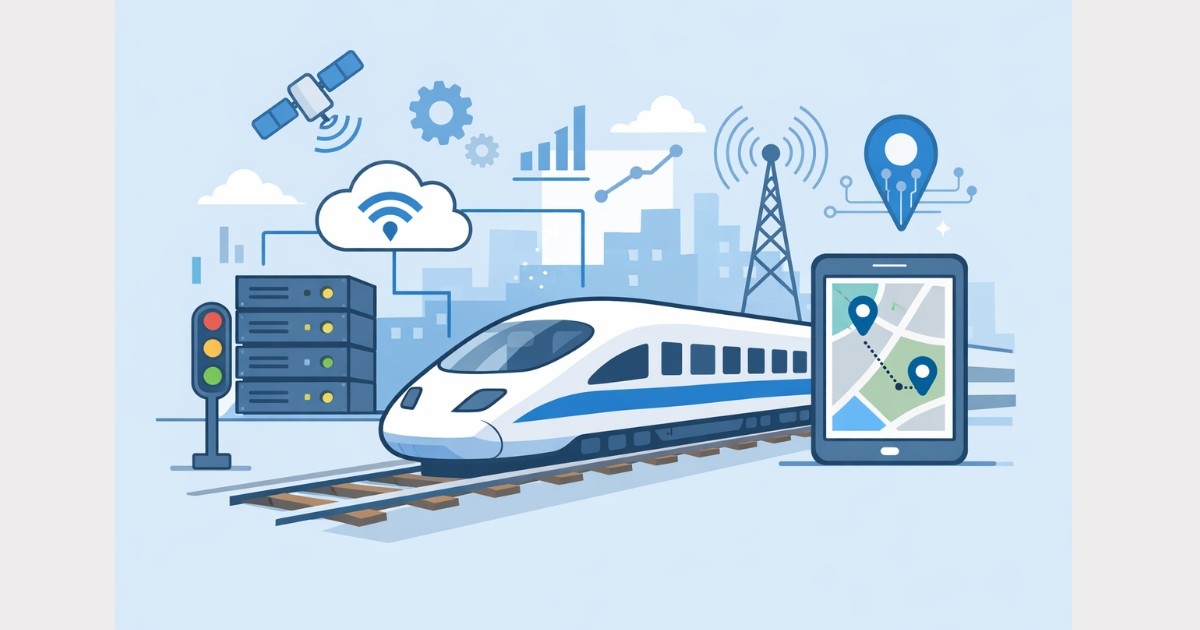
Railway Tech Upgrades: 7 Powerful Digital Changes Driving Safer Indian Transit
Indian Railways is going through a major digital shift, changing how millions of people travel every day.
From online ticketing to smart safety systems, technology is now playing a central role in making rail travel faster, safer, and more transparent. These upgrades matter today because Indian Railways carries one of the world’s largest passenger loads daily, and even small improvements can impact millions of lives.
In recent years, the focus has moved from only expanding tracks to improving the travel experience. Digital services, modern signalling, data-driven operations, and passenger-facing apps are becoming the backbone of Indian transit. This shift is also aligned with the government’s push for Digital India and smarter public infrastructure.
Here is a detailed look at how railway tech upgrades and digital services are changing Indian transit, and what passengers should expect in the coming years.
Digital Ticketing: From Queues to Clicks
Online ticket booking has become the default choice for most railway passengers.
The Indian Railway Catering and Tourism Corporation (IRCTC) platform now supports ticket booking, cancellations, refunds, and meal selection.
Key changes passengers see
- Mobile-first ticket booking through apps and websites
- Paperless travel using e-tickets and QR codes
- Faster refunds through digital payment systems
Unreserved tickets are also moving online.
Apps like UTS allow passengers to book short-distance tickets without visiting counters, reducing crowding at stations.
Smart Signalling and Train Control Systems
Modern signalling systems are improving train safety and punctuality.
Traditional manual systems are being replaced with digital and automated solutions.
Major technology upgrades
- Electronic interlocking systems
- Centralised traffic control in busy corridors
- Automatic signalling to reduce human error
These systems help manage train movement in real time, reducing delays and improving track usage, especially on high-density routes.
Kavach and Safety Technology
Safety is a major focus of railway tech upgrades.
Indian Railways has started rolling out Kavach, an indigenous train protection system.
What Kavach does
- Prevents signal passing at danger
- Controls train speed automatically
- Reduces the risk of collisions
While rollout is still gradual, the system marks a major shift toward technology-led safety.
Digital Displays and Passenger Information Systems
Railway stations are becoming more informative and user-friendly.
Large digital screens now provide live updates on train arrival, departure, and platform changes.
Benefits for passengers
- Real-time information reduces confusion
- Audio and visual alerts help senior citizens and first-time travelers
- Multi-language support improves access
These systems are especially useful during delays or operational changes.
Wi-Fi, Connectivity, and Onboard Tech
Free public Wi-Fi at railway stations has changed how passengers spend waiting time.
Many major and medium stations now offer high-speed internet access.
Onboard improvements include
- Charging points near seats
- Improved lighting and coach design
- Digital displays inside select trains
Connectivity has become a basic travel expectation, not a luxury.
Data and AI in Railway Operations
Data analytics is quietly improving railway decision-making.
Indian Railways is using digital tools to study passenger flow, train occupancy, and maintenance needs.
How data helps
- Better timetable planning
- Predictive maintenance of tracks and coaches
- Improved crowd management during peak seasons
Artificial intelligence is also being tested for fault detection and asset monitoring.
Freight and Logistics: Technology Beyond Passengers
Railway tech upgrades are not limited to passenger services.
Freight operations are also becoming more digital and efficient.
Key developments
- Online freight booking systems
- GPS tracking of goods trains
- Digital freight terminals
These changes help industries move goods faster and reduce dependence on road transport.
Station Redevelopment and Smart Infrastructure
Station redevelopment projects are closely linked with digital services.
New stations are being designed with integrated technology from the start.
Smart station features
- Digital entry and exit management
- CCTV-based security systems
- Smart energy and lighting controls
The aim is to make stations safer, cleaner, and easier to navigate.
Challenges in the Digital Transition
Despite progress, challenges remain.
Not all routes and stations have equal access to new technology.
Key concerns
- Digital divide for passengers without smartphones
- Need for staff training on new systems
- Cybersecurity and data protection
Balancing speed, safety, and access remains a work in progress.
What Passengers Can Expect Next
The next phase of railway tech upgrades will focus on deeper integration.
Passengers can expect smoother apps, better real-time updates, and wider use of automation.
Future focus areas
- Expansion of safety systems
- More smart stations in smaller cities
- Better integration between rail, metro, and bus services
The long-term goal is a connected and passenger-first transit system.
Why This Shift Matters for India
Indian Railways is more than a transport system.
It is a lifeline for workers, students, businesses, and families.
Technology is helping railways do three critical things:
- Improve safety
- Save time
- Increase trust among passengers
As India continues to urbanise and travel demand grows, digital rail services will play a key role in keeping the country moving.
Digital Payments and Cashless Travel
Digital payment systems are becoming a standard part of railway services.
Passengers can now pay for tickets, food, and services using UPI, cards, and mobile wallets. This shift has reduced the need for cash handling at stations and onboard trains.
Where digital payments are used
- Ticket booking and cancellations
- Platform tickets and unreserved travel
- Catering and pantry services
- Parking and station facilities
Cashless systems help speed up services and improve transparency.
They also reduce queues and make travel easier for daily commuters.
E-Catering and App-Based Services
Food services on trains are also becoming more digital.
Passengers can now pre-book meals through official railway platforms and partner apps.
Key benefits
- Choice of food vendors
- Clear pricing shown in advance
- Digital order tracking
This system helps improve food quality and accountability, while giving passengers more control over what they eat during long journeys.
Digital Grievance Redressal
Railway complaints and feedback are now handled online.
Passengers can report issues through apps, helplines, and social media platforms.
What has improved
- Faster complaint registration
- Real-time status updates
- Better response tracking
This digital approach has increased accountability, as issues are now visible and monitored more closely.
Role of Technology in Emergency Response
Technology is also improving how railways respond to emergencies.
Control rooms receive live data from stations, trains, and field staff.
Key improvements
- Faster communication during disruptions
- GPS-based train tracking
- Better coordination with local authorities
Quick response can reduce delays and improve passenger safety during unexpected situations.
Bridging the Gap Between Metro and Rail Systems
Technology is helping bring Indian Railways and metro networks closer.
Unified ticketing and shared digital platforms are being explored in major cities.
The goal is simple:
Make travel smoother when passengers switch between trains, metros, and buses.
A Gradual but Lasting Change
The digital transformation of Indian Railways is steady, not sudden.
While full coverage will take time, the direction is clear.
Technology is no longer behind the scenes.
It is now a visible part of everyday train travel, shaping how passengers plan, move, and experience journeys across India.
Also Read : THE RAJA SAAB OTT RELEASE THIS WEEK (FEB 2–8, 2026): FULL LIST OF POWERFUL NEW FILMS AND WEB SERIES
Add republicpost.in as preferred source on google – Click Here
Last Updated on: Sunday, February 8, 2026 10:18 pm by Republic Post Team | Published by: Republic Post Team on Sunday, February 8, 2026 10:18 pm | News Categories: News
About The Author